

Larkhall Park garden rubbish removal Stockwell guide
Posted on 03/09/2026
Larkhall Park garden rubbish removal Stockwell guide: a practical local guide for tidy, stress-free clearance
If you are dealing with a pile of hedge cuttings, broken planters, old turf, or the aftermath of a full garden refresh, this Larkhall Park garden rubbish removal Stockwell guide will help you sort it quickly and properly. Around Larkhall Park, gardens tend to be compact, access can be awkward, and waste piles up faster than people expect. One Saturday of pruning can turn into a van-load of mess by Sunday afternoon. Sound familiar?
This guide explains what counts as garden rubbish, how collection and clearance usually work in Stockwell, what to look for in a reliable service, and how to avoid the common mistakes that create delays or extra costs. It is written for homeowners, tenants, landlords, and anyone trying to get an outdoor space back under control without making a day of it.
You will also find a straightforward checklist, a comparison of the main removal options, and a realistic walk-through of how a garden clearance might play out in the Larkhall Park area. No fluff. Just the practical stuff you can actually use.
For readers who are also thinking about the wider Stockwell area, it can be useful to understand the local feel and property context too. If that is on your mind, the piece on Stockwell as a picturesque London suburb gives a broader sense of the neighbourhood, while locals' views on living in Stockwell is helpful for day-to-day context. Different topic, same area, same real-world feel.
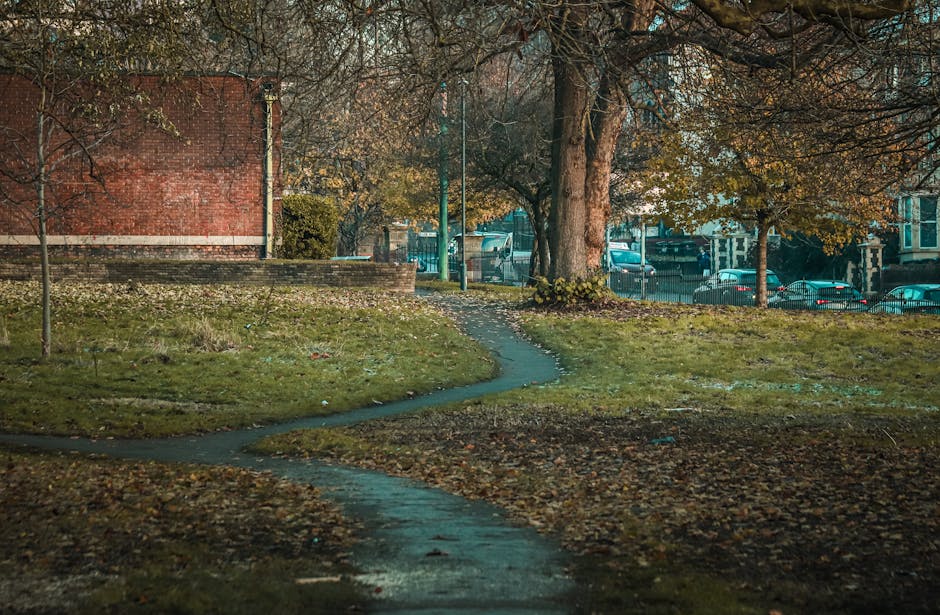
Why Larkhall Park garden rubbish removal Stockwell guide Matters
Garden waste sounds simple until you start moving it. Branches snag on railings, wet soil adds weight, and bags full of cuttings are somehow never as light as they looked in the bin. In a place like Larkhall Park, where homes, gardens, and walkways sit fairly close together, leaving waste lying around is more than untidy. It can block access, attract pests, and make the whole space feel neglected.
That matters for a few reasons. First, good garden waste handling keeps paths, shared entrances, and private outdoor spaces safer. Second, it saves time. If you have ever tried to break down a pile of mixed green waste after a long day of pruning, you already know the misery. Third, proper removal helps the waste move into the right disposal route instead of ending up mixed with general rubbish, where it is far less likely to be reused or recycled sensibly.
There is also the local angle. Stockwell is a busy, lived-in part of London, and services often need to work around tight streets, limited parking, and people coming and going at all hours. A good plan for garden rubbish removal is not just about lifting things. It is about making the whole process smooth enough that you do not have to think about it twice.
Expert summary: The best garden rubbish removal is the one that clears everything in one controlled visit, protects access, and sorts waste properly from the start. That is usually cheaper in effort, and sometimes in money too.
How Larkhall Park garden rubbish removal Stockwell guide Works
In practical terms, garden rubbish removal is a simple service with a few moving parts. You identify the waste, decide what needs to go, arrange a collection, and have the items taken away for disposal or recycling. The tricky bit is that garden waste is rarely just one thing. It might include soil, branches, hedge trimmings, fence panels, broken outdoor furniture, old compost bags, and bits of old decking. Truth be told, gardens have a way of collecting everything except the thing you actually wanted to keep.
Most clearance jobs begin with a rough assessment. If it is a small tidy-up, a quick collection may be enough. If the waste is heavy, mixed, or awkward to access, it may need a more careful load plan. In some cases, a team can bag, lift, and remove everything in one go. In others, you may need to separate green waste from reusable items and heavier inert material like rubble or soil.
If your project has grown beyond a few hedge clippings and a broken flowerpot, you may find it helpful to compare this with broader waste services such as garden waste removal in Stockwell or general waste clearance in Stockwell. That kind of comparison helps you avoid booking the wrong service for the wrong load. And yes, that happens more often than people admit.
Access also matters. Around Larkhall Park, front gardens, narrow side paths, basement steps, and shared entrances can all affect the job. A crew that understands these constraints will usually work faster and leave less mess behind. That is the difference between a tidy clearance and a mildly frustrating afternoon.
Key Benefits and Practical Advantages
Garden rubbish removal is not just about making things look neat for ten minutes. There are some very real advantages to getting it done properly.
- Faster turnaround: what might take you an entire weekend can often be cleared in a single visit.
- Less physical strain: sacks of soil, branch bundles, and damp trimmings are heavier than they seem.
- Cleaner outdoor spaces: once the waste is gone, it is easier to mow, plant, repair, or redesign the garden.
- Better safety: loose timber, broken pots, and hidden metal edges can create avoidable hazards.
- More sensible disposal: green waste, wood, metal, and mixed rubbish can be sorted more appropriately.
- Better appearance for sale or rental: if you are preparing a property, a clean garden makes a surprisingly strong first impression.
In our experience, the biggest benefit is often psychological. A messy garden has a way of hanging over you. Once it is cleared, the space feels usable again. Suddenly it looks like a place to sit with a coffee, plant herbs, or let the kids run around. Small thing, perhaps. But it changes how you use the home.
If your clearance is part of a larger property project, such as moving out, refreshing a rental, or preparing a sale, related services can sometimes save you time too. For example, a house clearance in Stockwell may be useful if indoor and outdoor waste are being handled together, while furniture disposal in Stockwell can help if the garden also contains broken outdoor seating or old storage pieces.
Who This Is For and When It Makes Sense
This kind of removal makes sense for more people than you might think. You do not need to be doing a full landscaping job for it to be worthwhile.
Homeowners with overgrown gardens
If the lawn has been left a bit too long or shrubs have started behaving like they own the place, a clearance service can help you reset the space quickly. This is especially useful after winter, when gardens can look tired and cluttered.
Landlords and managing agents
Garden waste often appears between tenancies. If the previous occupier left cuttings, broken plant pots, or miscellaneous outdoor rubbish behind, a prompt clearance keeps the property ready for viewings or new tenants.
Tenants with permission to tidy up
Some renters want to improve a patio or small garden without waiting for the perfect moment. If you have agreement from the landlord, a one-off removal can make the space far more liveable.
People after DIY or light landscaping
New sleepers, torn-up soil, old turf, and offcuts from a garden makeover add up fast. If you are doing more than a simple tidy, the waste becomes bulky enough to need a proper collection.
Anyone preparing a property for sale
Outdoor space matters. A clear garden photographs better and helps buyers see the size and potential of the property. For readers thinking about the wider property context, the Stockwell real estate buying guide is a useful companion piece, especially if garden presentation is part of a broader move or sale plan.
And if the waste is not only green cuttings but a mix of household clutter and outdoor junk, then a broader rubbish collection in Stockwell may be the more flexible option. That distinction matters more than people expect.
Step-by-Step Guidance
Here is a practical way to approach the job without overcomplicating it.
- Walk the garden first. Look at everything that needs to go. Separate green waste from wood, metal, plastics, and general rubbish. If a pile has all four mixed together, pause and sort it before collection day.
- Set aside anything reusable. Some items can be saved, donated, repaired, or repurposed. A half-decent planter, for example, may not belong in the waste pile just because it looks a bit tired.
- Check access. Measure gates, note tight corners, and think about where a vehicle can stop. If there is no easy parking close by, the job may need a little extra planning.
- Bag or bundle what you can safely manage. Light clippings, leaves, and small weeds are easier to handle when bagged. Heavy soil and wet greenery should be treated more carefully, since they can make bags split. Nobody enjoys a mid-path spill.
- Take photos if the load is awkward. A couple of clear pictures can help the team estimate what equipment or vehicle size is needed.
- Book the right type of removal. For simple garden debris, a green waste service may be enough. For mixed materials or heavier loads, use a broader clearance service.
- Keep the path clear on the day. Open gates, move cars if needed, and make sure access points are safe.
- Do a quick final sweep. After loading, check for stray twigs, screws, broken glass, or hidden bits of plastic. It takes a minute and saves hassle later.
If there is one thing to remember, it is this: a little sorting before the collection saves a lot of back-and-forth during it.
Expert Tips for Better Results
These are the small improvements that make a big difference.
- Separate green waste from mixed waste early. It makes recycling and disposal easier, and keeps the quote more accurate.
- Do not overfill bags. Wet grass and soil are dense. Bags that look fine in the garden often split on the path or the stairs.
- Keep thorny or sharp items visible. Broken canes, pruning saws, and old wire can catch people by surprise.
- Clear access before collection time. A gate stuck behind a wheelie bin can waste more time than you would expect.
- Think in zones. Front garden, back garden, side return, shed area. Clearing by zone keeps the job tidy and less chaotic.
- Use the right service for the right waste. If the load includes more than garden waste, a general clearance or even a specialist service may be the better fit.
A small but useful habit: keep a corner for temporary waste while you garden. It stops the whole area from becoming a single tangled pile. Not glamorous, I know. Very effective though.
If you are dealing with other property clearances at the same time, services like loft clearance in Stockwell or builders waste disposal in Stockwell can be relevant if the garden job is part of a bigger clean-up. That is especially common after renovation work, where debris seems to travel outdoors of its own accord.
Common Mistakes to Avoid
Most problems with garden rubbish removal come from avoidable assumptions. Nothing dramatic. Just the usual small things that snowball.
- Mixing everything together. Soil, rubble, garden cuttings, and household junk are not all treated the same.
- Leaving access issues until collection day. A narrow gate or blocked driveway can slow the whole job down.
- Assuming all garden waste is light. Wet hedge trimmings, turf, and soil get heavy very quickly.
- Forgetting about hidden hazards. Old nails, broken edging, and glass in borders are easy to miss.
- Booking the wrong type of clearance. A garden tidy-up is not always the same as a full waste clearance.
- Ignoring weather. A rainy morning can turn waste into a much heavier, messier load.
There is a small temptation to think, "I will sort it later." That later tends to arrive as a heavier, wetter, more annoying version of the same job. Best not to leave it.
Tools, Resources and Recommendations
You do not need fancy gear to prepare garden rubbish for removal, but the right basics help a lot.
Useful tools
- sturdy refuse sacks for light clippings and leaves
- garden gloves with decent grip
- pruning shears or loppers for reducing branch size
- a rake for collecting small debris
- a wheelbarrow or tub trug for moving waste safely
- tarpaulin or sheet for keeping material contained
Helpful planning habits
- group waste by type before collection
- keep reusable items separate
- avoid leaving waste in public or shared spaces
- check whether any items need special handling because they are heavy, sharp, or contaminated
For anyone managing a mixed property clean-up, it can be useful to compare garden removal with wider clearance services such as waste clearance in Stockwell or the services overview. That helps you understand which option fits the job instead of forcing the job into the wrong box. And yes, the wrong box happens all the time.
Law, Compliance, Standards, or Best Practice
Without turning this into a legal lecture, there are a few sensible UK practices worth keeping in mind. Garden waste should be handled in a way that avoids nuisance, protects public areas, and makes responsible disposal possible. If you hire someone to remove waste, it is good practice to choose a provider who can explain how they sort, transport, and dispose of it.
In simple terms, you want three things: lawful collection, safe handling, and sensible disposal. That usually means proper loading, no fly-tipping, and waste being taken to an appropriate facility or recycling route. It also means not leaving piles where they can blow into shared walkways or block access for neighbours.
There is also a basic safety point that people sometimes overlook. If the waste contains broken glass, rusted metal, treated wood, or heavy soil, it should be handled carefully to reduce the risk of injury. A decent team should be comfortable explaining that clearly.
For reassurance around how a business approaches these matters, it is worth reviewing pages such as insurance and safety, recycling and sustainability, and terms and conditions. They do not remove the need for judgement, of course, but they do help you understand the standard of care expected.
Options, Methods, or Comparison Table
There are usually three ways people deal with garden rubbish around Stockwell. Each has a place.
| Option | Best for | Pros | Limits |
|---|---|---|---|
| DIY tip run | Small loads and people with a vehicle | Can be simple if the waste is light and already sorted | Time-consuming, lifting can be hard, parking and transport add hassle |
| Bagged collection | Light green waste and tidy piles | Fast and straightforward | Less suitable for heavy soil, bulky branches, or mixed waste |
| Full professional clearance | Mixed, bulky, or awkward waste | Most convenient, usually best for access issues and heavier jobs | May cost more than a small self-managed run, but often saves time and effort |
If the job is tiny, a DIY approach may be perfectly fine. But once the pile grows, or access becomes awkward, the time and energy cost rises fast. That is where a proper removal service starts to make a lot more sense.
For property owners balancing several tasks at once, related local services like furniture disposal in Stockwell or rubbish removal near Stockwell Tube Station may also be useful context if the clean-up extends beyond the garden itself.
Case Study or Real-World Example
Imagine a back garden near Larkhall Park after a weekend of pruning. You have hedge cuttings stacked by the fence, a bag of weeds, a cracked terracotta planter, some old timber from a raised bed, and a patch of compacted soil from where a border was lifted. On paper, it sounds manageable. In person, it is a bit of a pain.
The first instinct is often to shove everything into black bags and hope for the best. That usually works until you hit the heavy stuff. The soil makes the bags sag, the branches poke through, and suddenly the neat little pile is spread across half the patio. A better approach is to split the load into categories: green waste, heavy waste, and broken items.
In a real-life clearance like this, the difference is obvious. The team can move faster because they are not constantly stopping to re-sort material. The customer saves time because the waste leaves in one controlled visit instead of several improvised trips. And the garden, which may have looked unusable in the morning, feels open again by the afternoon. Not magic. Just proper organisation.
A few weeks later, that same space might be used for a small table, a container garden, or simply a bit of quiet air. That is the point, really. The waste goes, and the garden starts being a garden again.
Practical Checklist
Use this before collection day. It keeps things calmer than you might expect.
- walk the garden and note all waste types
- separate green waste from mixed rubbish
- pull out reusable or repairable items
- check for broken glass, nails, or sharp edges
- bundle branches or canes where safe to do so
- avoid overfilling sacks with wet soil or cuttings
- make gates and access paths easy to use
- move cars, bikes, and bins out of the way
- take photos if the waste is bulky or unusual
- confirm what should and should not be included in the load
- do a final sweep once the waste is gone
If you tick most of those off, the collection usually feels far easier. Not glamorous. Just efficient.
Conclusion
Garden rubbish removal around Larkhall Park does not need to be complicated, but it does need to be thought through. A little sorting, a realistic look at access, and the right type of clearance service can turn a messy job into a straightforward one. That matters whether you are tidying a private garden, preparing a rental, or simply trying to reclaim a bit of outdoor space before the weather changes again.
The best results usually come from keeping it simple: know what you have, separate what matters, choose the right removal option, and avoid leaving the heavy lifting until the last minute. Small effort up front, much better finish at the end. That is the whole game, really.
If your garden waste is starting to build up and you want a clean, efficient solution, the next step is easy.
Get a free quote today and see how much you can save.
 Tipper Van - Rubbish Removal and Property Waste Removal Prices in Stockwell, SW8
 Luton Van - Rubbish Removal and Property Waste Removal Prices in Stockwell, SW8

